

The problem with the customs code nobody chose
When your products cross the US border, customs files each one under a ten-digit code. The list of codes is called the . Your code decides the duty rate you pay. And once filed, it sticks. Every future shipment uses it by default.
Here is the uncomfortable part. You never chose your code. Your freight forwarder picked one at your first import, because a shipment cannot clear without one. Forwarders are paid to move boxes. Not to shrink your duty bill. They pick a code that clears. Then they move on.
Most founders treat that code like a law of nature. It is not. Two near-identical products can sit under codes with very different duty rates. Your code may not be the cheapest legal one. Sometimes it is simply wrong. Either way, you can audit it, correct it, and lock it in.
This article is about the third one: product cost. Customs duty is a line inside your landed cost. The HTS code sets it. Every point you shave off the duty rate flows straight into your , on every unit, on every future shipment. One audit can pay you back for years.
1. An example showing you the numbers
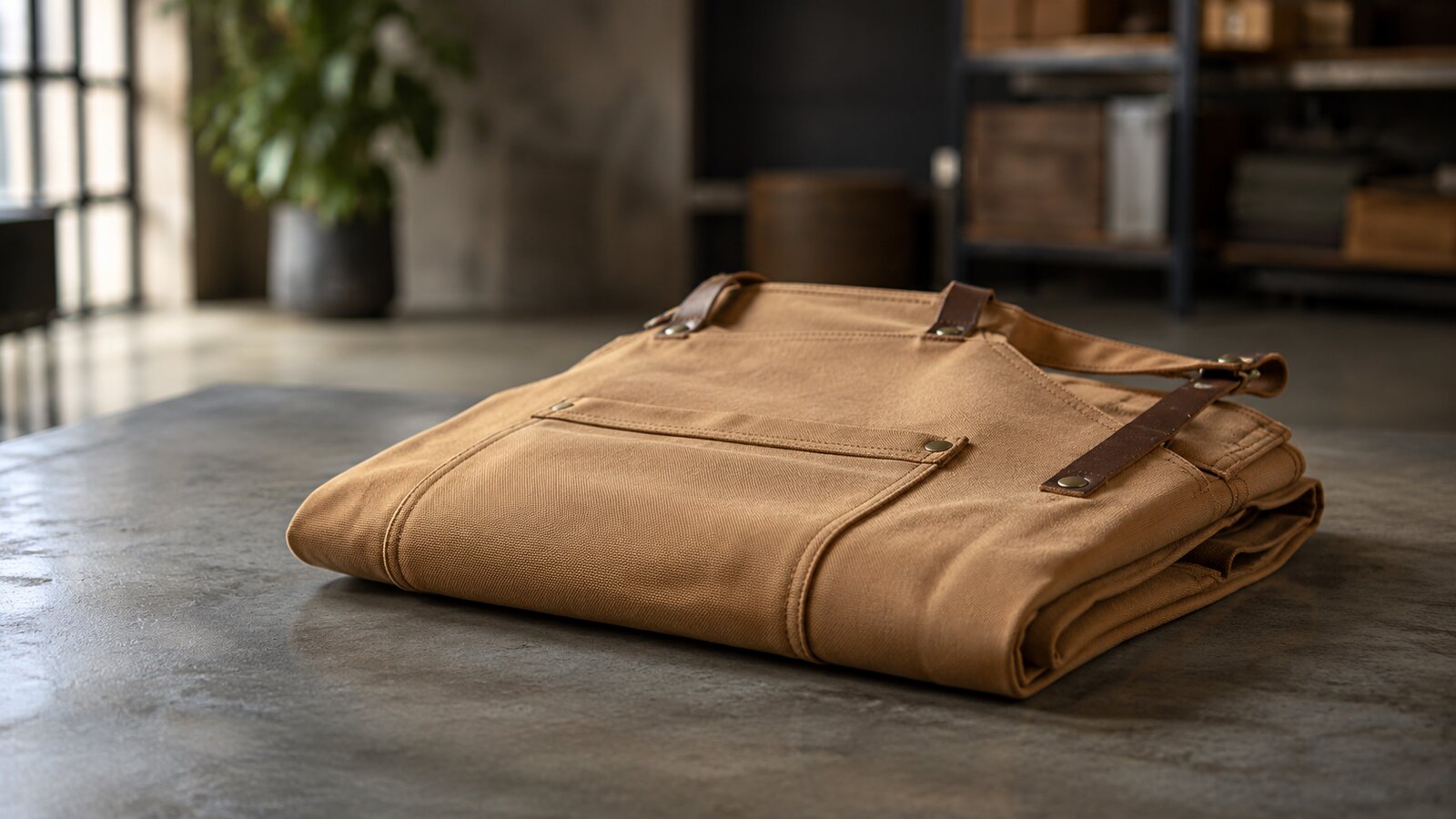
Your store sells a cotton canvas work apron for $100. It is made in China. By the time one apron reaches your warehouse, it has cost you $40. Inside that $40: $30 goes to the factory. That invoice price is also the customs value, the number duty is charged on. Duty comes next. It is a share of the $30. Freight, insurance, and clearance make up the rest.
Now the part nobody audited. Aprons can legally sit under more than one HTS code. A generic ‘clothing accessories’ code carries duty around 14%. A specific cotton-garment code for aprons carries around 8%. Your forwarder filed the generic code because it cleared. A licensed customs broker, looking at the actual product, can often defend the specific one.
On the wrong code, duty costs you $4.20 an apron. On the correct code, $2.40. The audit is worth $1.80 an apron. Sounds small. Now multiply it. You import 50,000 aprons a year. Customs sees $1,500,000 of value cross the border. The table shows what the code is worth.
Two HTS codes, same apron, 50,000 units a year
Duty is charged on the $30 factory price (the ), never on your $100 selling price.
| Line item | Wrong code (generic) | Correct code (audited) |
|---|---|---|
| HTS code filed | 6217.90.90 accessories | 6211.42.00 cotton aprons |
| Duty rate the code sets | 14% | 8% |
| Factory price per apron (customs value) | $30 | $30 |
| Duty per apron | $4.20 | $2.40 |
| Customs value per year (50,000 × $30) | $1,500,000 | $1,500,000 |
| Duty paid to customs per year | $210,000 | $120,000 |
| Duty the audit recovers each year | $0 | $90,000 |
| Same saving over five years | $0 | $450,000 |
Read the bottom rows. The factory price does not move. The freight does not move. The product does not change. Only the duty rate moves. That one line is worth $90,000 a year. It was leaking out through a decision nobody had checked since your first shipment cleared.
One honest note. These duty rates are teaching numbers, not a promise. Some audits find a big saving. Some find nothing, also useful, because it proves your code would survive a customs audit. And there is a bonus. Customs lets you claim back duty you overpaid on past shipments. That refund alone can pay for the audit several times over.
The sentence that changes how you think about HTS codes
Your duty rate is not a fact of life. It is a decision someone else made in a hurry, and you are allowed to audit it.
A few points off the duty rate, times everything you import, pays you back on every future shipment. A written ruling from customs locks the new rate in. The win is protected, not temporary.
2. How to run your own HTS code audit
The audit costs a few thousand dollars of broker time. Your part takes about two hours. Pull the records. Brief the broker. Then make one decision per product: keep the code or correct it.
- Pull every HTS code in your import history. Your customs broker or forwarder can export the list from your import records. Most brands have never seen it in one place. Pulling it together usually turns up at least one code nobody can explain.
- Hire a licensed customs broker, not your freight forwarder. The forwarder filed the original codes. It has no reason to second-guess its own work. An independent broker checks each code against the real product. What it is made of. What it does. How it is built. And how customs has ruled on products like it.
- Ask for the cheapest legal code, and every relief program. A real audit checks more than the code. Ask about Free Trade Agreements (FTAs) for your country of origin. Ask about tariff exclusions. Ask about duty drawback, refunds on goods you re-export. And ask whether extra tariffs, like Section 301 duties on Chinese goods, are applied correctly. Any of these can move the number.
- Lock in every corrected code with a binding ruling. A is a letter from Customs and Border Protection (CBP). It says your code is right. It fixes the rate for every future shipment. It defends you if you are ever audited. Without it you have an opinion. With it you have protection.
- Claim back the overpaid duty. Then re-audit every year. Customs lets you claim refunds on past shipments if you can show the overpayment. File them. Then set a yearly reminder. Products change. Tariff schedules change. Last year’s right code may be wrong next year.
3. One warning before you act
We are not saying your code is wrong. Many audits confirm the code you have is right. The apron numbers above are teaching figures. Your product, materials, and country of origin will produce different ones.
And a straight warning. Picking a code is a legal call, not an accounting one. We are accountants, not customs brokers. Filing a cheaper code you cannot defend risks back-duty, interest, and penalties far bigger than the saving. Let a licensed broker make the call. Get the binding ruling in writing before you change anything.
4. Frequently asked questions
How much does an HTS audit cost? Is it worth it?
Usually a few thousand dollars of broker time. On the apron store above, a $3,000 audit that recovers $90,000 a year pays back in under two weeks. Even a small finding pays back within months. And the saving repeats on every future shipment.
Can I just look up the correct code myself?
You can read the schedule online. It helps to know your category. But the line between two codes can turn on a tiny detail. The fabric. The stitching. Guessing wrong creates penalty risk. Let a broker make the call and back it with a binding ruling.
What happens if I do nothing?
You keep overpaying duty on every shipment. And a wrong code creates audit risk on every shipment filed under it. If customs finds the error before you do, you can owe back-duty, interest, and penalties. The audit closes both risks at once.
Does this apply if I sell through Amazon?
Yes. The code is assigned when the goods cross the border, before they reach any warehouse. Your own 3PL or Fulfilled by Amazon (FBA): the duty rate and the risk are the same.
5. Quick reference: what to avoid and apply
What to avoid
- Assuming the code your forwarder filed at the first import is the cheapest legal one.
- Asking the forwarder to audit its own classification choices.
- Filing a cheaper code without a binding ruling to back it up.
- Confusing points off the duty rate with points off your whole product cost.
- Auditing once and never again, tariff schedules and products both drift.
What to apply
- Pull every HTS code in your import history into one list.
- Hire an independent licensed customs broker to test each code against the real product.
- Check every route: cheaper classification, FTA eligibility, exclusions, drawback, and extra tariffs.
- Lock every corrected code in with a CBP binding ruling.
- Claim refunds on documented past overpayments, and re-audit every year.
Want your six costs mapped for you?
Our free 31-Point Profit Diagnostic puts a dollar figure on where your profit is leaking. Or get a quote for done-for-you eCommerce accounting.
Definitions, modeling notes & rate-basis disclosures
Definitions
- The six profit levers
- (1) Discounts, (2) Refunds, (3) Product cost (landed COGS), (4) Sales channel and payment fees, (5) Shipping and 3PL fees, (6) Advertising spend.
- Harmonized Tariff Schedule (HTS)
- The published US list of ten-digit product codes. Your code sets your duty rate.
- Customs and Border Protection (CBP)
- The US agency that collects duty, enforces classification, and audits importers.
- Customs value
- The number duty is charged on: the factory invoice price, not your selling price. Here, $30 per apron.
- Binding ruling
- CBP’s letter confirming a product’s code. It locks the rate in for future shipments and defends you in an audit.
- Section 301 tariffs
- Extra US duties on certain Chinese goods, charged on top of the base rate.
- Landed Cost of Goods Sold (COGS)
- The full cost of one unit in your warehouse: factory price plus duty, freight, insurance, and clearance. Held at $40 on the $100 apron.
- Gross Profit
- Selling price minus landed COGS. Every dollar of duty saved flows straight into it.
Modeling notes
- This article uses the series’ standard teaching store: a $100 product with landed COGS of $40. Inside that $40: factory price (customs value) $30, duty at the wrong code $4.20, and freight, insurance, and clearance making up the rest.
- The two apron codes are real. The published base rates (about 14.6% and 8.1%) are rounded to 14% and 8% for round dollars. A broker will confirm current rates.
- Reconciliation: 50,000 aprons × $30 customs value = $1,500,000 a year. Duty at 14% = $210,000; at 8% = $120,000. The difference, $90,000 a year, equals 50,000 × $1.80 per apron. Five years at flat volume: $450,000.
- Extra trade tariffs (such as Section 301) are not in the table. They stack on top of the base rate and are a separate audit item.
Rate-basis disclosures
- Product: cotton canvas work apron, $100 selling price, imported from China at a $30 per-unit customs value.
- Volume: 50,000 units a year; annual customs value $1,500,000.
- Wrong code: HTS 6217.90.90, ‘other made-up clothing accessories’, teaching rate 14%.
- Correct code: HTS 6211.42.00, cotton garments, aprons, teaching rate 8%.
- Five-year figures assume flat volume and flat rates. All figures in US dollars.